


Facebook expands fact-checkers’ ability to debunk false photos and videos

In a blog post published today, the company announced that it is giving all 27 of its global fact-checking partners the ability to debunk photos and videos on the platform. Once a piece of content is rated as false, its future reach in the News Feed will be reduced by up to 80 percent and a fact check will be appended in the Related Articles section. (Disclosure: Being a signatory of the International Fact-Checking Network’s code of principles is a necessary condition to be a partner.)
Videos and photos that users flag as potentially false will now filter into the dashboard that fact-checkers use to select which pieces of content to debunk. Before, most fact-checking partners could only debunk links to false news stories; Agence France-Presse was the first organization to start debunking images for Facebook last spring, when Facebook started testing the capability.
“Many of our third-party fact-checking partners have expertise evaluating photos and videos and are trained in visual verification techniques,” Antonia Woodford, a Facebook product manager, wrote in today’s blog post. “Fact-checkers are able to assess the truth or falsity of a photo or video by combining these skills with other journalistic practices, like using research from experts.”
Stories can have ratings such as false, satire, opinion and prank in Facebook’s system for fact-checking articles, and multimedia will have the same scale. Facebook identified three main categories of false photos and videos that usually make the rounds on the platform: manipulated or fabricated, out of context and text or audio claim.
As Facebook gets more signals from fact-checkers, it will improve its machine learning models’ ability to predict future misinformation. The company is also leveraging technology that can extract text from photos and compare them against headlines in previously debunked stories, according to the blog post.
That’s important because misinformation often travels across media.
“Based on research with people around the world, we know that false news spreads in many different forms, varying from country to country,” Woodford wrote. “However, these categories are not distinct. The same hoax can travel across different content types, so it's important to build defenses against misinformation across articles, as well as photos and videos.”
Müəllif
Metbuat.az
Qaynar xətt
0552252950

Həmçinin oxu
Süni intellekt üçün internet “Bakcell”dən
en.ictnews.az
DİGƏR XƏBƏRLƏR
Daha çox »


Top xəbərlər




Layihələr








Son xəbərlər

Bu 4 bürc üçün şanslı dövr başlayır
Bu gün
·
19:42
Hikmət Hacıyev Aİ ilə əməkdaşlıqdan danışdı
Bu gün
·
19:27

Türkiyə nəhəngi dünya çempionatının ulduzunu transfer edir
Bu gün
·
19:05
Nazir ona vəzifə verdi
Bu gün
·
18:18
Milli Məclisin növbədənkənar sessiyasının son iclası keçiriləcək - YENİLƏNİB
Bu gün
·
17:28
Hərbçimiz vəfat etdi
Bu gün
·
17:08
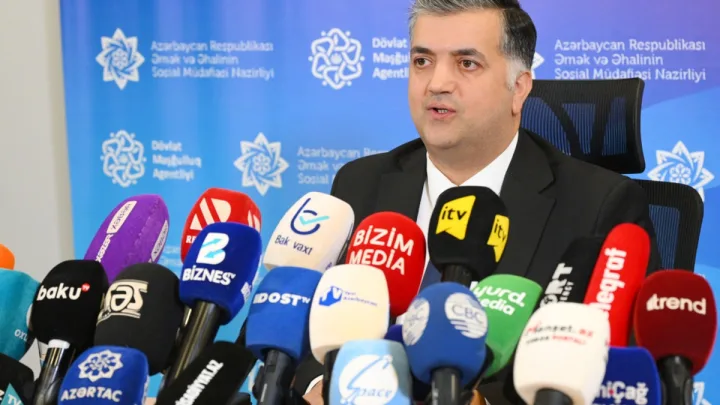
Hasil Abbasov üç nəfərə yüksək vəzifə verdi
Bu gün
·
17:06
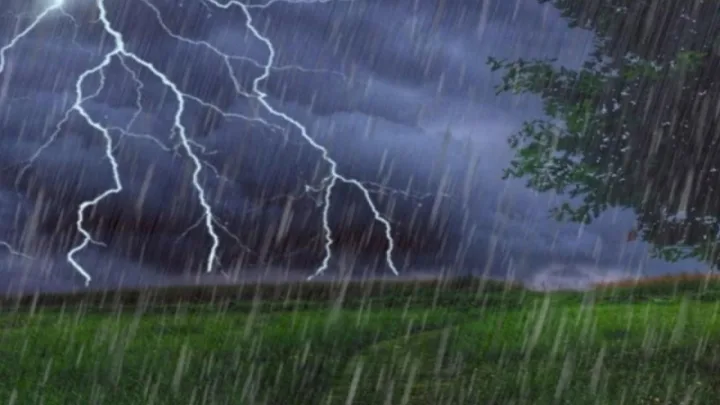
Şimşək çaxacaq, dolu düşəcək - XƏBƏRDARLIQ
Bu gün
·
17:04
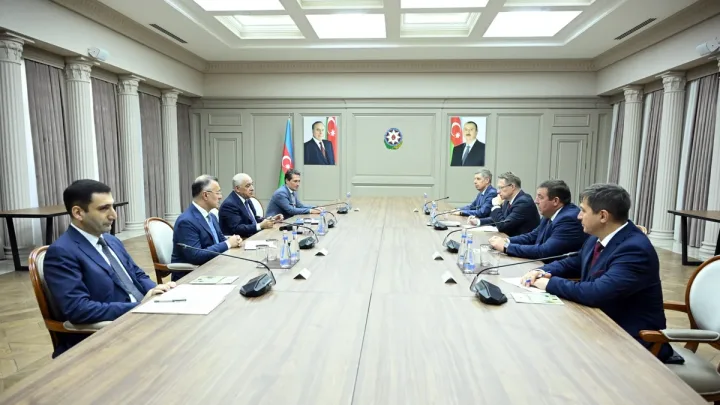
Əli Əsədov Rusiyanın səhiyyə naziri ilə görüşdü
Bu gün
·
16:47

Rafael Ağayevə ağır itki üz verdi
Bu gün
·
16:35
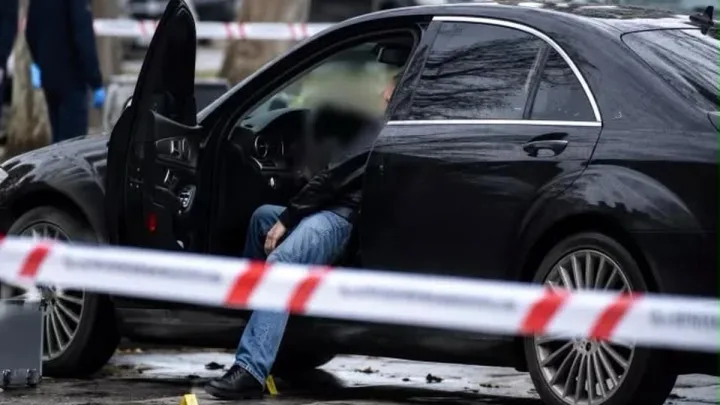
Paytaxtda maşından meyit tapıldı
Bu gün
·
16:25

Azərbaycanda bank kartları ilə bağlı mühüm açıqlama
Bu gün
·
16:08

“Azərsun Holdinq” şəkər çuğunduru emalı həcmini 800 min tona qaldıracaq
Bu gün
·
15:54
Moda dizayneri Kamilla Məmmədzadə "Yes Couture"brendi ilə birlikdə Azərbaycan xalçalarından ilhamlanan kolleksiyasını təqdim etdi – FOTO
Bu gün
·
15:50

Salahın meneceri Türkiyədə: Bu kluba keçir
Bu gün
·
15:33